


 Sample
 Yocan® U.S.A. Official Store
 Yocan® Canada Official Store
 Yocan Black® Official Store
Industry News, News
Why Does Battery Capacity Decrease Over Time? Understanding Battery Aging
Have you ever noticed that a rechargeable device does not last as long as it did when you first bought it? A battery that once lasted through a full day may eventually need to be charged more often. This does not necessarily mean there is something wrong with the device. For rechargeable lithium-ion batteries, a gradual loss of capacity is a normal part of aging.
But why does battery capacity decrease over time?
The answer comes down to battery chemistry, charging cycles, temperature, storage conditions, and overall usage.
What Does Battery Capacity Mean?
Battery capacity refers to the amount of electrical energy a battery can store and deliver. It is commonly measured in milliamp-hours (mAh). In general, a battery with a higher mAh rating can store more energy than a battery with a lower rating, assuming other factors are comparable.
For example, a new 1,000mAh battery is designed to provide a certain amount of usable energy. However, its actual capacity will gradually decrease as the battery ages. This means that a battery does not suddenly go from 100% capacity to 0%. Instead, its maximum capacity slowly declines over its usable life.
Why Do Rechargeable Batteries Lose Capacity?
Rechargeable lithium-ion batteries rely on chemical reactions to store and release energy. Every time a battery is charged and discharged, these reactions cause small changes inside the battery. Over many cycles, some of these changes become permanent.
As the battery ages, its internal resistance can increase and its ability to store and deliver energy can decrease.
As a result, you may notice:
- Shorter battery life between charges
- More frequent charging
- Faster drops in the battery indicator
- Reduced performance under heavier loads
This gradual process is known as battery degradation.
How Do Charging Cycles Affect Battery Life?
A charging cycle refers to the equivalent of using 100% of a battery’s capacity, although this does not necessarily happen in one charge. For example, if you use 50% of the battery today and recharge it, then use another 50% later, those two periods together roughly represent one full cycle.
Lithium-ion batteries are designed to withstand many charging cycles, but their capacity gradually decreases as cycles accumulate. This is why a battery that has been used regularly for a long period may not hold as much charge as it did when it was new.
Does Heat Affect Battery Capacity?
Yes. Temperature is another important factor in battery aging.
Lithium-ion batteries generally perform best within a moderate temperature range. Exposure to excessive heat can accelerate chemical reactions inside the battery and contribute to faster degradation.
Heat can come from several sources, including:
- High ambient temperatures
- Direct sunlight
- Heavy device use
- Charging
- Poor heat dissipation
This is one reason proper storage is important. Avoid leaving rechargeable devices in extremely hot environments for extended periods.
How Can You Help Maintain Battery Performance?
Battery capacity will naturally decline with age, but proper care can help reduce unnecessary stress on a rechargeable battery.
A few simple habits can help:
- Avoid excessive heat. Keep rechargeable devices away from prolonged exposure to high temperatures and direct sunlight.
- Use compatible charging equipment. Follow the manufacturer’s recommendations for charging your device.
- Store devices appropriately. If a rechargeable device will not be used for an extended period, store it according to the manufacturer’s instructions.
- Pay attention to battery condition. Stop using a device if the battery shows signs of physical damage, unusual swelling, or abnormal overheating.
Most importantly, remember that battery degradation is normal. A rechargeable battery is a consumable component, and its maximum capacity will eventually decrease.
Yocan Devices With Rechargeable Batteries
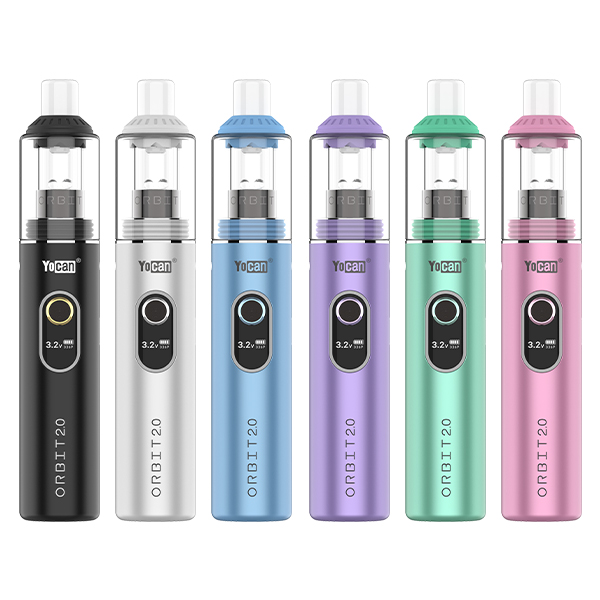
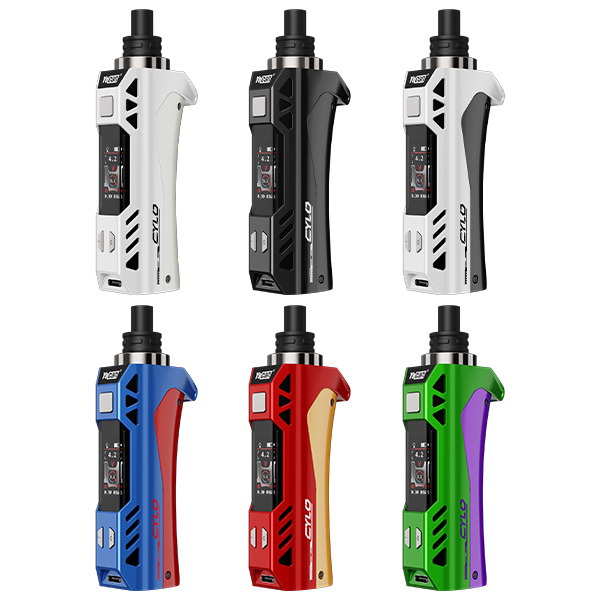
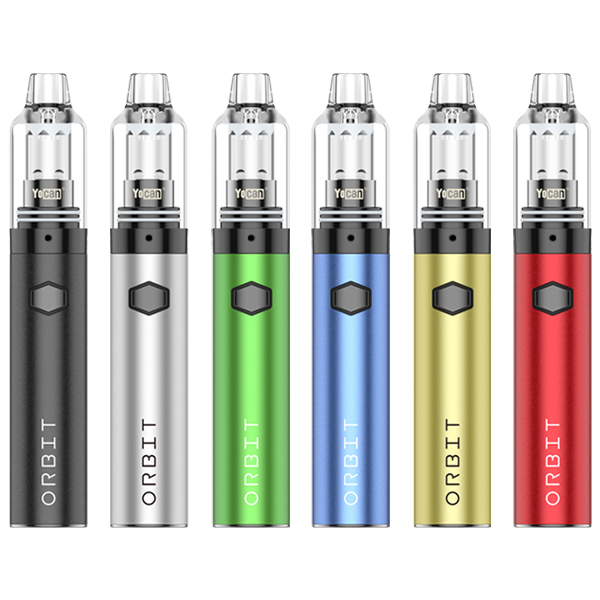
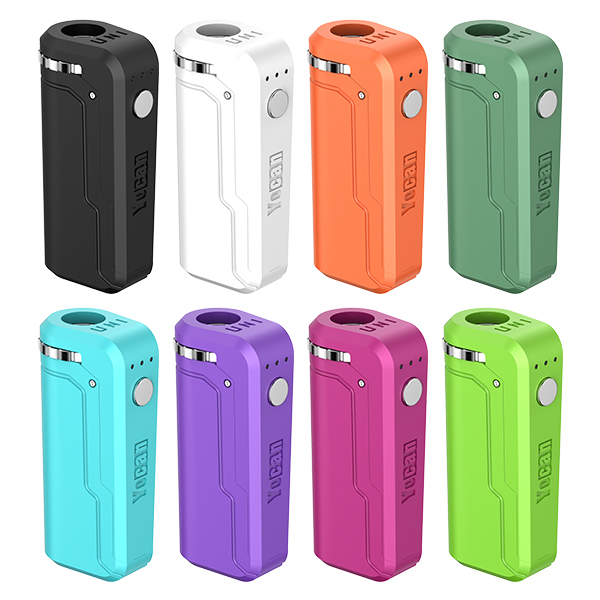
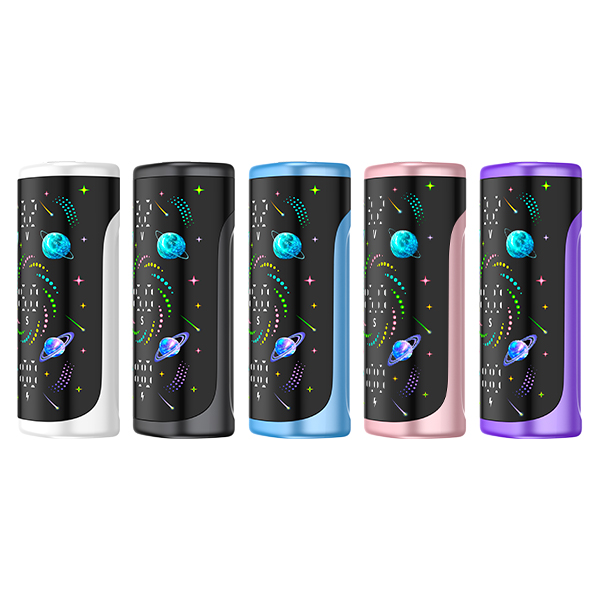
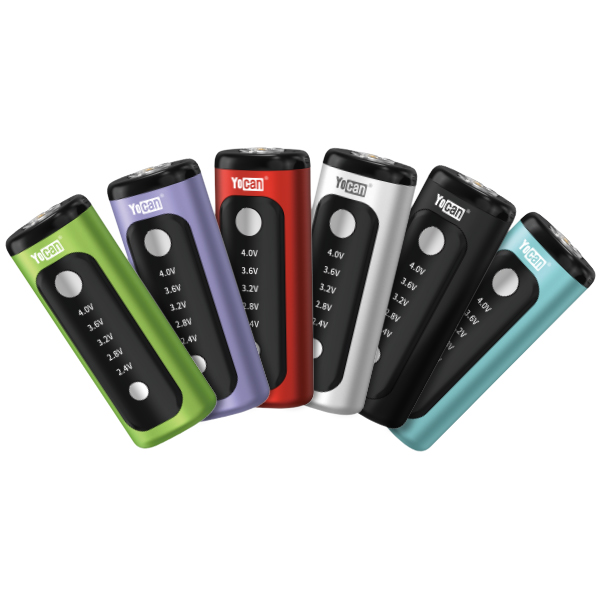
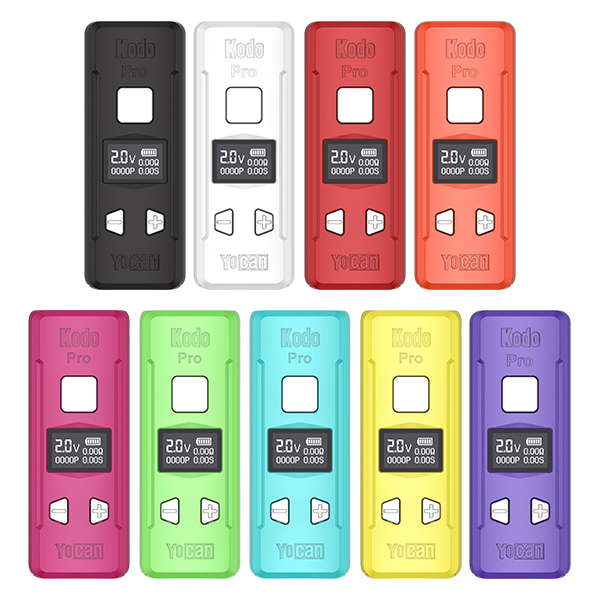
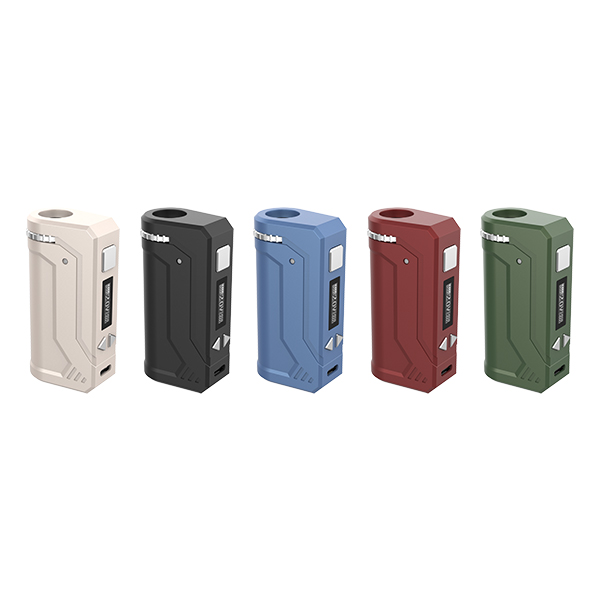
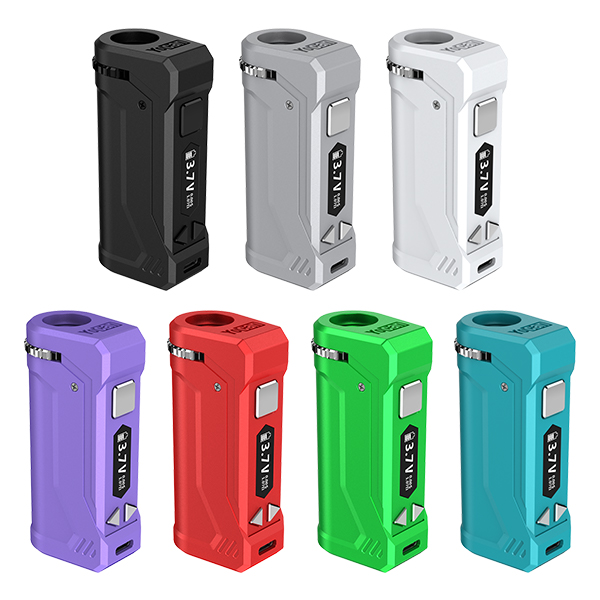
Battery performance is an important part of any portable electronic device. Yocan incorporates rechargeable battery systems into a range of its devices, with different capacities and features designed around different device formats. For example, the Yocan Black Pocket Mini features a 1300mAh rechargeable battery with an OLED display, temperature control (400°F–580°F), and a 1.5-hour charge time, while the Yocan Orbit 2.0 is equipped with a 1400mAh battery with voltage adjustment (2.8V–3.8V) and a 2.0-hour charge time.
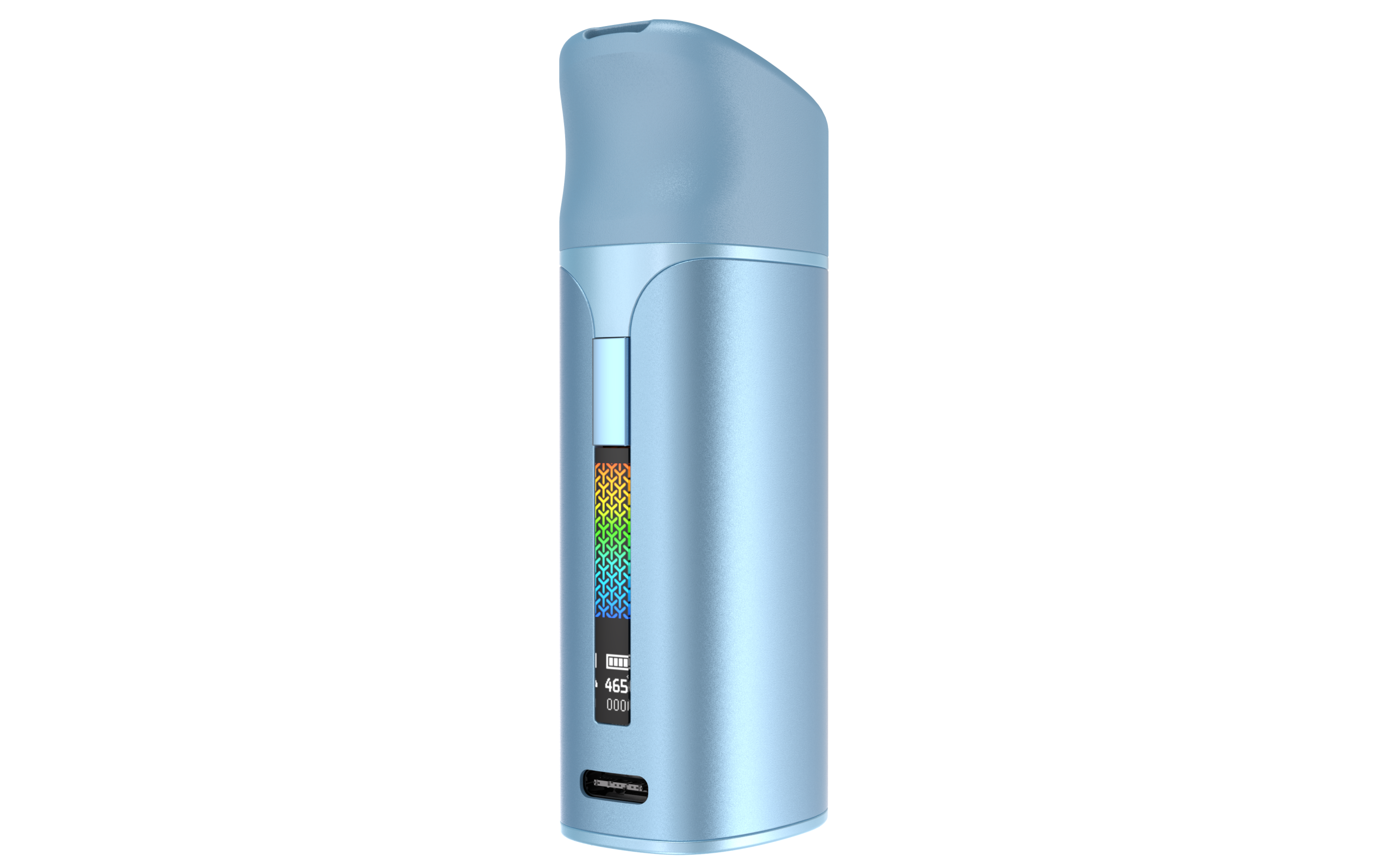
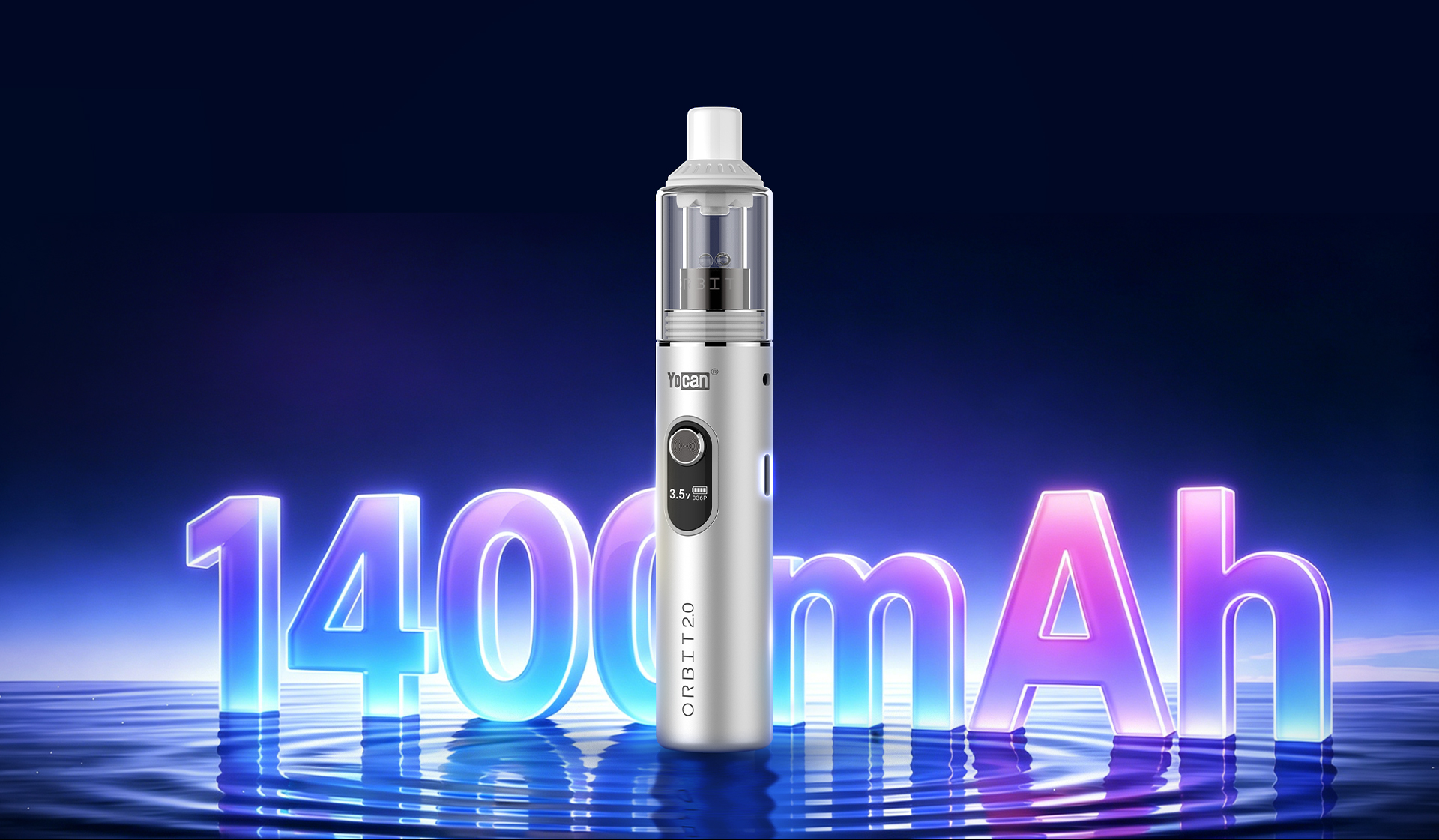
These different capacities reflect different device designs and intended use cases. When choosing a rechargeable device, battery capacity is only one factor to consider. Charging method, battery management, device size, display information, and overall design can also affect the experience.
You can explore Yocan’s range of rechargeable devices to find a model that matches your needs.
Final Thoughts
Battery capacity naturally decreases as rechargeable batteries age. Charging cycles, temperature, storage conditions, and the passage of time can all contribute to battery degradation. Understanding these factors can help you better care for rechargeable devices and recognize normal changes in battery performance.
While battery aging cannot be completely prevented, good charging and storage habits can help you get reliable performance from a rechargeable battery throughout its useful life.
I will stop when the indicator hits 20%, then recharge to 80%. This reduces chemical and heat-related degredation over time when compared to charging back up to 100% and then totally discharging it. I’ve found that packing in fresh herb at 80% generally means that by 30% the terpines and most of the THC are gone. If I crank up the power and use up that last 10%, the toasted-not-in-a-good-way taste is off-putting and causes extended coughing. I’ll dump what’s left and repack and charge up to 80% rather than get that last little bit.