


 Sample
 Yocan® U.S.A. Official Store
 Yocan® Canada Official Store
 Yocan Black® Official Store
Industry News, News
How Quartz, Glass, and Airflow Work Together in Vaporizer Design
A vaporizer is more than just a combination of a heating chamber and a battery. Its overall design depends on how different materials and components work together. Quartz, glass, and airflow each play different roles in a vaporizer. Although these elements may seem unrelated at first, their interaction can influence the device’s heating structure, airflow path, and overall design.
Understanding how these components work together provides a closer look at the design principles behind portable vaporizers.
Why Material Selection Matters in Vaporizer Design
The materials used inside a vaporizer are not chosen at random. Different materials have different physical properties, making them suitable for different parts of the device.
For example, a heating cup needs to function in a high-temperature environment. Other components may provide structural support, create an enclosed airflow path, or protect internal components. This is why vaporizer design often incorporates multiple materials rather than relying on a single material throughout the device.
The Role of Quartz
Quartz is commonly used in heating components because of its heat-resistant properties.
In vaporizer design, a quartz cup can serve as a dedicated heating area. Its role is therefore closely connected to the heating system and the surrounding chamber structure.
However, the material itself is only one part of the equation. The position of the quartz component within the device and how it is integrated with other components can also influence the overall design.
The Role of Glass
Glass can serve a different purpose from quartz.
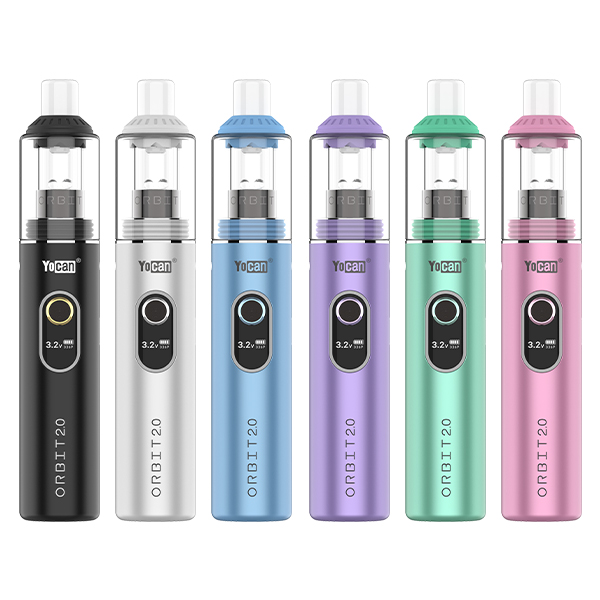
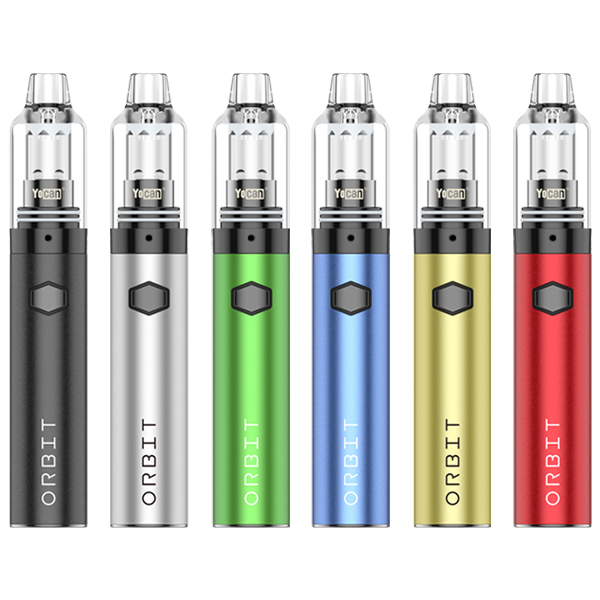
In some vaporizer designs, glass is incorporated around the heating area or as part of the device’s structure. A glass component can provide a physical barrier while also keeping the internal area visible. For example, the Yocan Orbit 2.0 features a glass cover alongside its quartz cup. This combination demonstrates how different materials can serve distinct functions within the same internal design.
Importantly, quartz and glass do not necessarily compete with each other. They can be used together because they serve different purposes within the overall structure.
Why Airflow Matters
Materials alone do not determine a vaporizer’s design. Airflow is another important part of the system. Air needs to move through the device along a defined path. The position of the heating area, internal components, openings, and mouthpiece can all influence how that airflow path is constructed.
A well-designed airflow system is therefore about more than simply adding openings to a device. The internal components need to be arranged in a way that supports the intended airflow path. This is also why two vaporizers with similar heating components can still have noticeably different designs.
How Quartz, Glass, and Airflow Work Together
The relationship between these three elements becomes clearer when they are viewed as parts of the same system. The quartz component can form part of the heating area. The glass component can surround or cover part of that area. At the same time, airflow needs to move around these components within the device. As a result, changing one component can affect the space available for others.
For example, changing the position or shape of a heating component may require adjustments to the surrounding structure or airflow path. Likewise, changing the internal airflow path can affect how other components are positioned.
This is why vaporizer engineering is not simply about selecting individual materials. More importantly, it is about integrating those materials into a functional structure.
A Closer Look at the Yocan Orbit 2.0
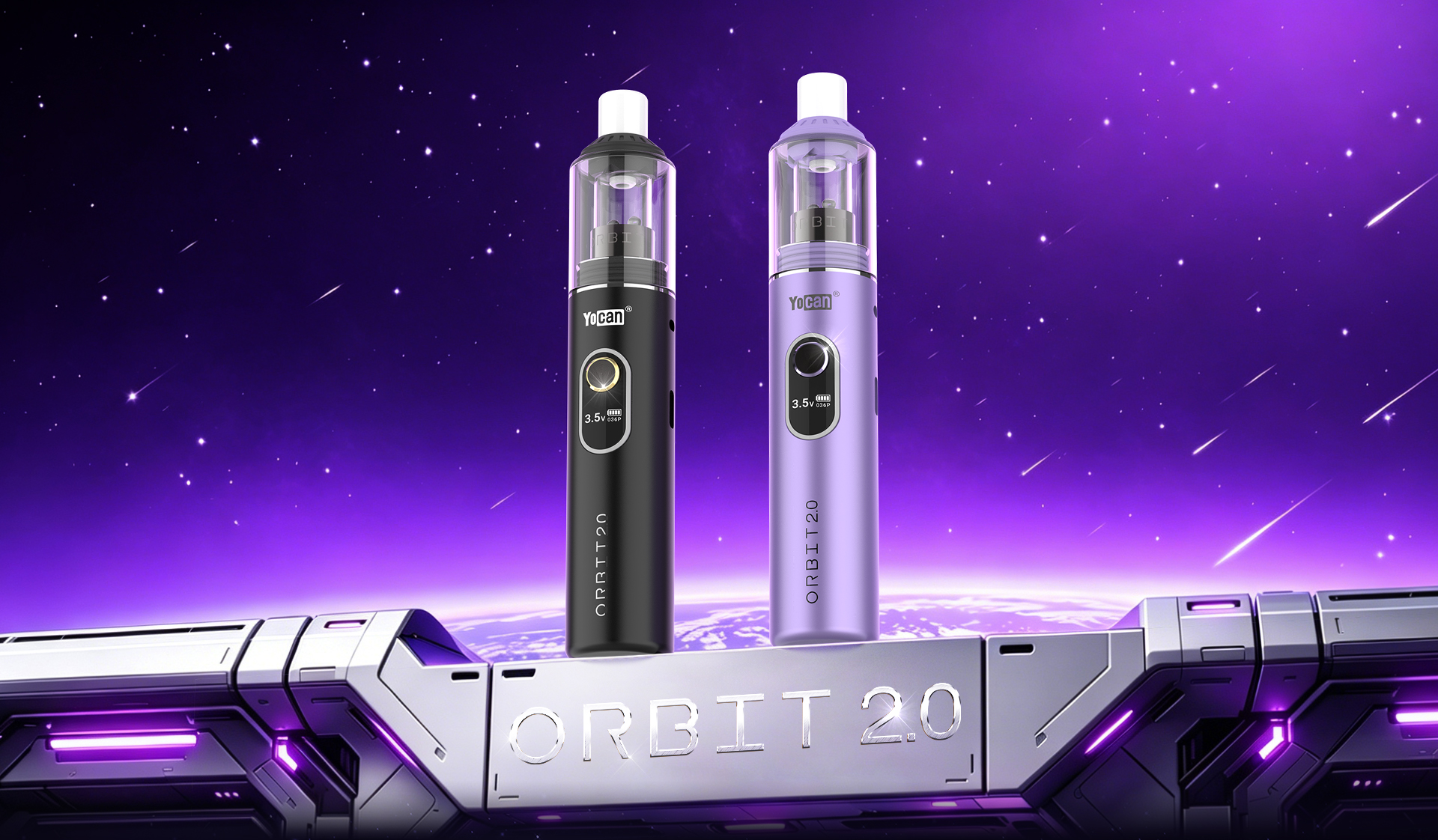
The Yocan Orbit 2.0 brings multiple design elements together in one compact device. Its design features a quartz cup, glass cover, quartz terp balls, and a dynamic spinning heating mechanism that allows the terp balls to rotate freely within the heating chamber. Together, these elements demonstrate how different materials and components can be integrated into a single vaporizer architecture.
Rather than treating quartz, glass, airflow, and the spinning heating mechanism as isolated features, the Orbit 2.0 demonstrates how each component can play a distinct role within an integrated design.
The rotating movement of the terp balls is a defining part of the device’s design, adding another layer to how its heating system and internal components work together.
Explore the Yocan Orbit 2.0
Want to take a closer look at the design and specifications discussed in this article? Visit the official Yocan website to explore the Yocan Orbit 2.0 and learn more about its components, specifications, and product resources.