

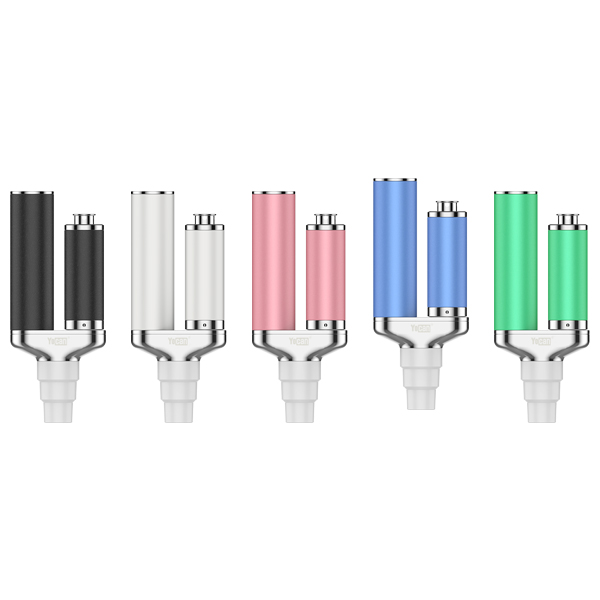
 Sample
 Yocan® U.S.A. Official Store
 Yocan® Canada Official Store
 Yocan Black® Official Store
Industry News, News
What Is Short Circuit Protection in Portable Electronic Devices?
Portable electronic devices are designed to operate reliably within specific electrical limits. However, unexpected electrical conditions—such as a short circuit—can sometimes occur inside the device or between connected components.
To handle these situations, many modern electronic devices are equipped with protection features that can detect abnormal electrical conditions and either issue a warning or stop normal operation. But what exactly is a short circuit, and how does short circuit protection work?
What Is a Short Circuit?
A short circuit occurs when current flows along an unintended path with extremely low resistance. Instead of flowing through the intended components and circuit paths, the current bypasses part of the circuit. Because a short circuit causes an abnormal surge in current, the device needs to detect it and respond accordingly.
In portable electronic devices, a short circuit may involve the device itself or the connections between different components. The specific cause depends on the device’s design and construction.
How Does Short Circuit Protection Work?
Short circuit protection is designed to identify abnormal electrical conditions and prevent the device from continuing to operate under those conditions. Depending on the device, the protection system may monitor electrical characteristics such as current or resistance. When the detected condition falls outside the expected operating range, the device responds by limiting or stopping its normal output.
Some devices also display a warning or error message. This gives users a clear understanding that the device has detected an abnormal condition, rather than simply shutting down without explanation. The specific protection mechanism varies by device, so warning systems and responses may differ from one product to another.
Why Is Short Circuit Protection So Important?
Short circuit protection is a critical part of electronic device design because abnormal electrical conditions can affect how the device operates.
First, it prevents the device from continuing to operate under abnormal electrical conditions. This allows the device’s control system to respond, rather than treating the condition as normal operation. Second, protection features help reduce unnecessary stress on electronic components. By detecting abnormal conditions and responding accordingly, the device can avoid continuing normal operation when electrical conditions exceed the expected range.
In addition, clear warning messages help users better understand what the device is communicating. Instead of simply showing “no response,” the device can indicate that a specific electrical condition has been detected.
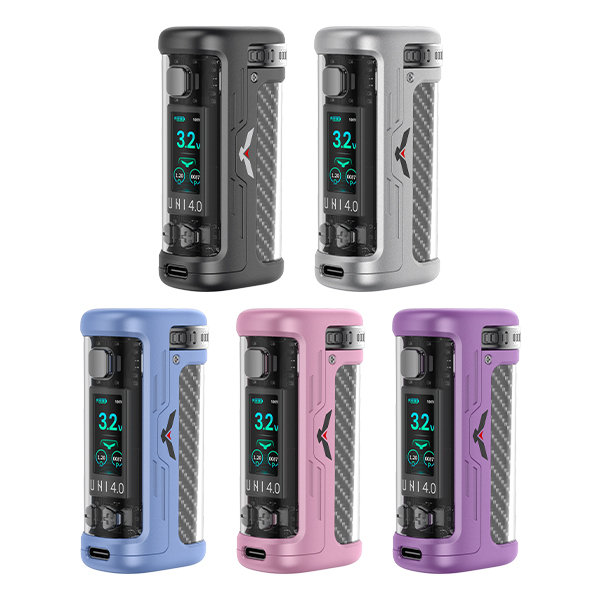
Yocan UNI 4.0 Short Circuit Protection
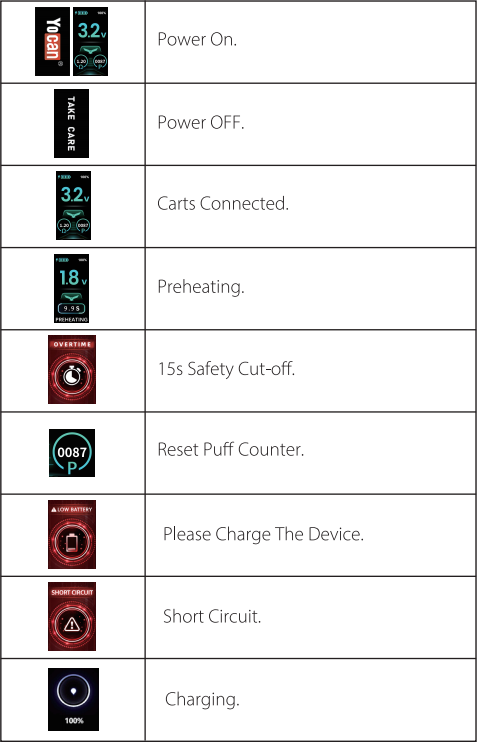
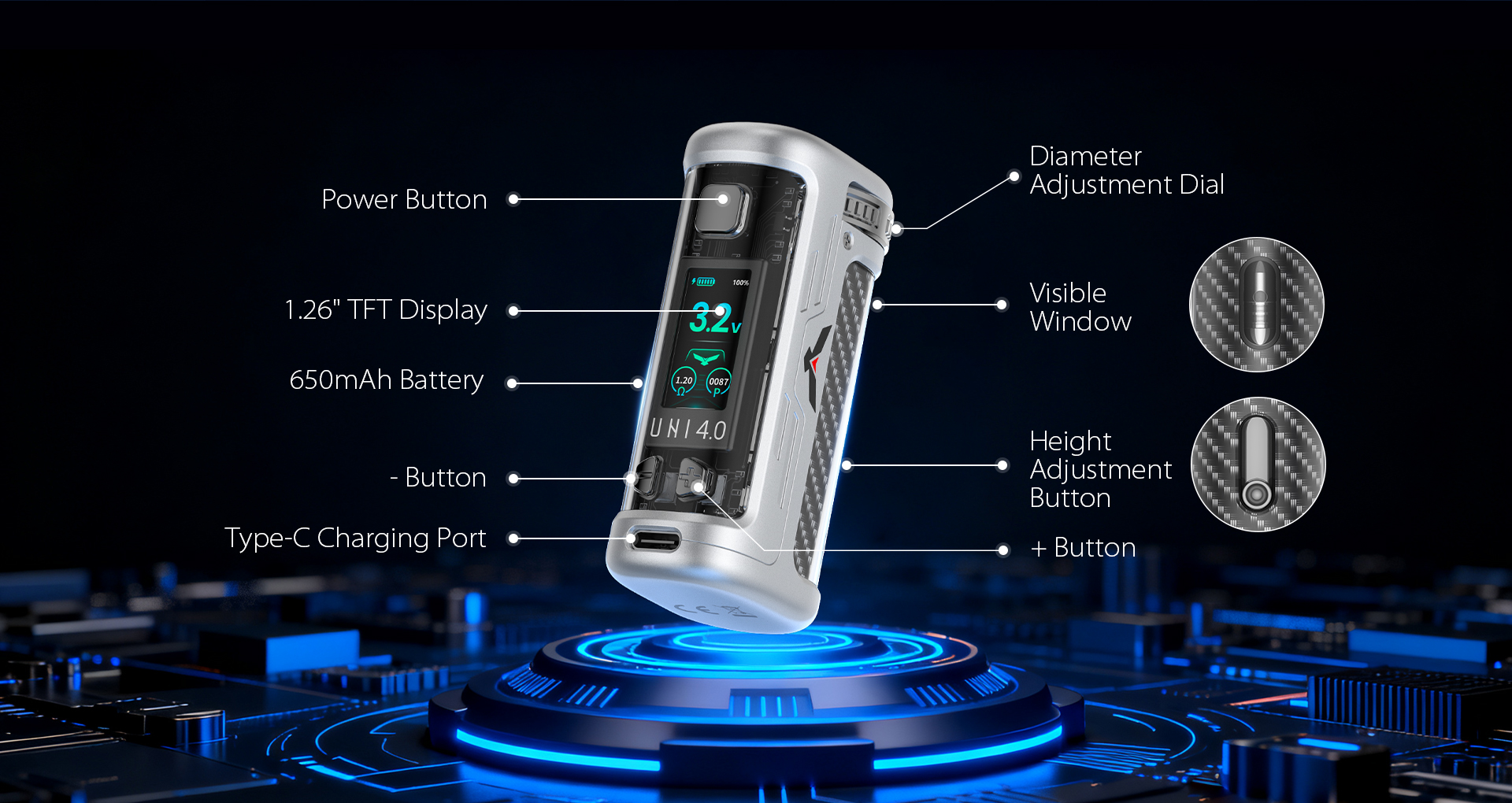
When the device detects a short circuit at the output, the 1.26″ TFT display immediately switches to the dedicated SHORT CIRCUIT protection screen: a prominent red warning triangle appears in the center, with the text “SHORT CIRCUIT” displayed at the top in red, creating a sharp visual contrast against normal vaping states.
Interface Behavior:
- The screen instantly changes to a red alert theme, replacing the standard voltage (3.2V) and puff counter display.
- A red triangle icon with an exclamation mark appears in the center, indicating the device is in a protective error state.
- Output is forcibly cut off, and the device will not continue heating until the short circuit condition is resolved.
Differences from Other Status Alerts:
- Unlike OVERTIME (15s Safety Cut-off), short circuit protection does not involve puff duration; it directly interrupts the output circuit.
- Unlike LOW BATTERY, the short circuit screen does not flash a battery icon—it uses the red triangle as the primary warning visual.
- Unlike normal interactive screens such as Carts Connected or Preheating, this alert is an abnormal interception. It will not auto-recover; the user must check the cartridge connection or replace the consumable before reactivating the device.
Yocan Pocket Mini Short Circuit Protection
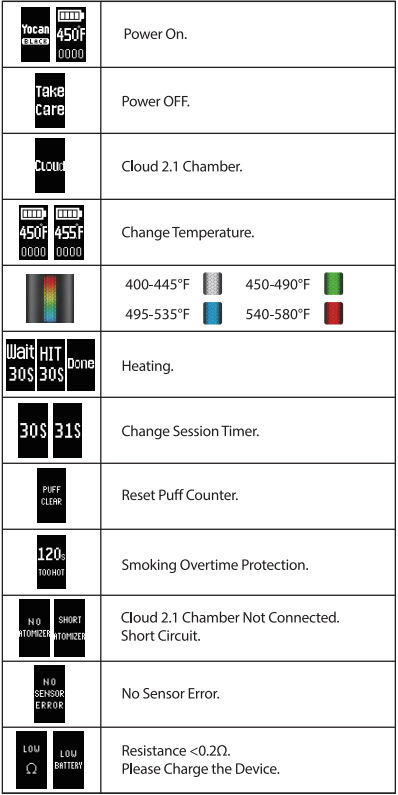
When the device detects a short circuit, the display immediately switches to the “SHORT CIRCUIT” warning screen. The interface shows the text “SHORT CIRCUIT” accompanied by a red warning icon, replacing the normal voltage and puff counter display.
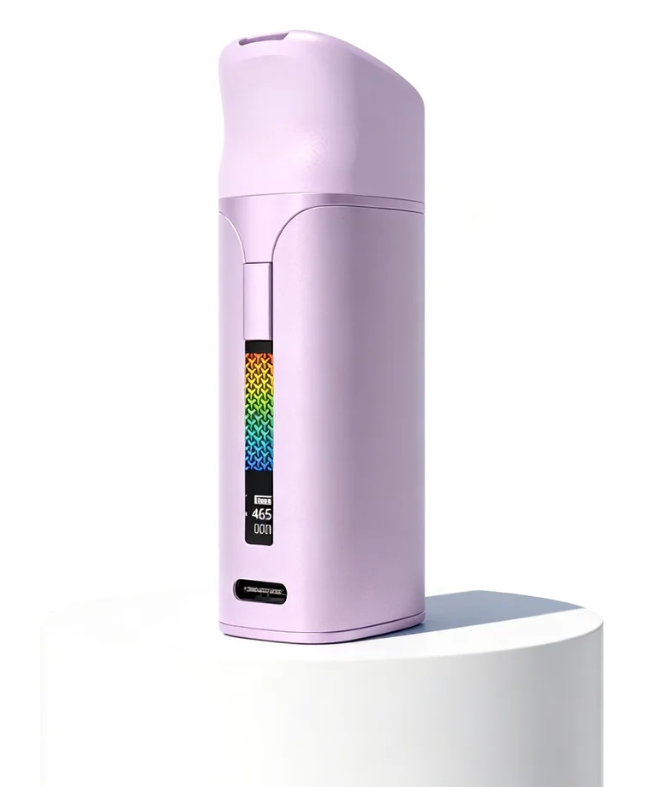
Interface Behavior:
- The screen transitions to a red alert theme, with “SHORT CIRCUIT” displayed prominently.
- The normal operating interface (voltage, puff count, temperature) is replaced by the error warning.
- Output is instantly cut off. The device will not fire while the short circuit condition persists.
Differences from Other Status Alerts:
- Unlike Low Battery (which prompts “Please Charge the Device”), the short circuit screen does not indicate a power issue—it signals a hardware or connection fault.
- Unlike No Sensor Error, which indicates a sensor failure, the short circuit alert specifically triggers when the output circuit detects abnormal resistance or a direct short.
- Unlike Smoking Overtime Protection (120 DO NOT), which is a time-based safety cut-off, short circuit protection is an immediate electrical fault response.
- The screen will not auto-recover. The user must inspect the chamber connection or replace the consumable before the device can resume normal operation.
Why Clear Safety Notifications Matter
The role of protection features goes beyond the device’s ability to detect an abnormal condition—it also needs to communicate that condition clearly.
Easily recognizable messages or symbols help distinguish between different situations. For example, a device that cannot operate due to an electrical fault may display a different notification than one that simply needs charging. Therefore, clear status information is an important part of the overall user interface. It connects the device’s internal monitoring system with information that is actually visible and easy for the user to understand.
Conclusion
Short circuit protection is one example of how modern portable electronics address abnormal electrical conditions. Rather than allowing the device to continue operating without identifying a problem, the protection system can detect a specific condition, interrupt normal operation, and provide a corresponding notification. As portable electronics become smaller and more feature-rich, clear protection mechanisms and concise status displays will play an increasingly important role in device design. Choose safer batteries and elevate your vaping journey.
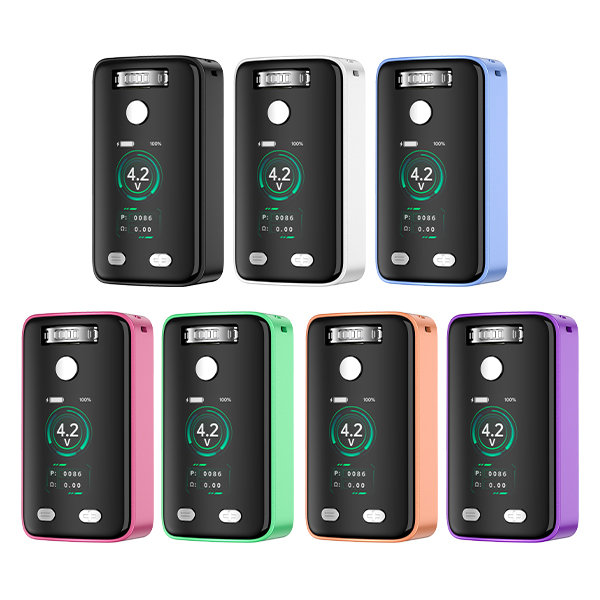
Learn more: Yocan Black Pocket Mini
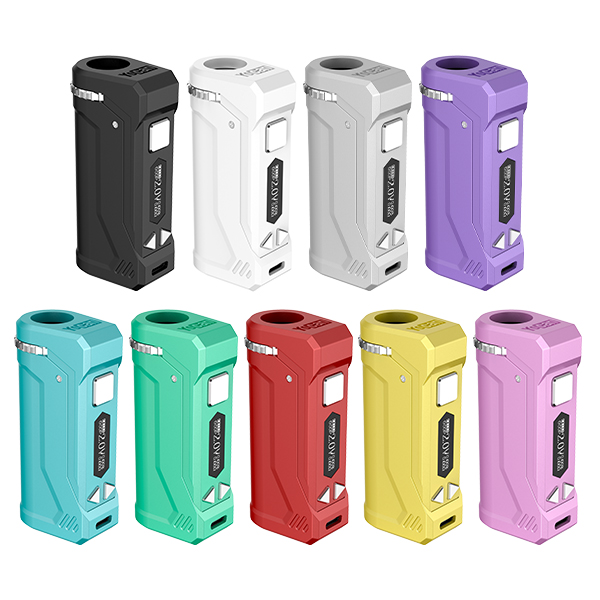
Learn more: Yocan Uni 4.0