

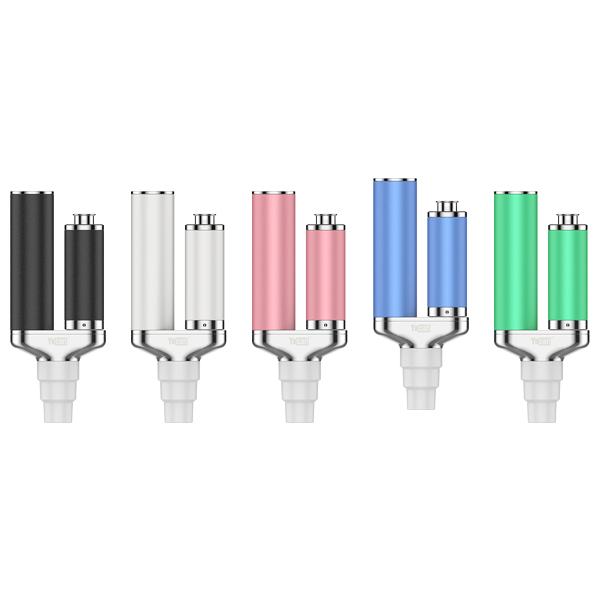
 Sample
 Yocan® U.S.A. Official Store
 Yocan® Canada Official Store
 Yocan Black® Official Store
Industry News, News
What Is Wax? Understanding Wax Concentrates
Wax is a term commonly used to describe a type of cannabis concentrate known for its soft, thick, and sometimes crumbly consistency. Unlike dried cannabis flower, concentrates contain higher concentrations of compounds extracted from cannabis plant material. Their appearance, texture, and composition can vary depending on the starting material and production methods. For beginners, the terminology surrounding cannabis concentrates can be confusing. Wax, shatter, budder, live resin, and rosin are often mentioned together, but these terms do not all refer to the same thing. Some primarily describe texture, while others refer to the starting material or the method used to produce a concentrate.
Understanding these differences makes it easier to interpret product descriptions, compare terminology, and recognize what product labels do—and do not—tell you. From Yocan’s official science popularization
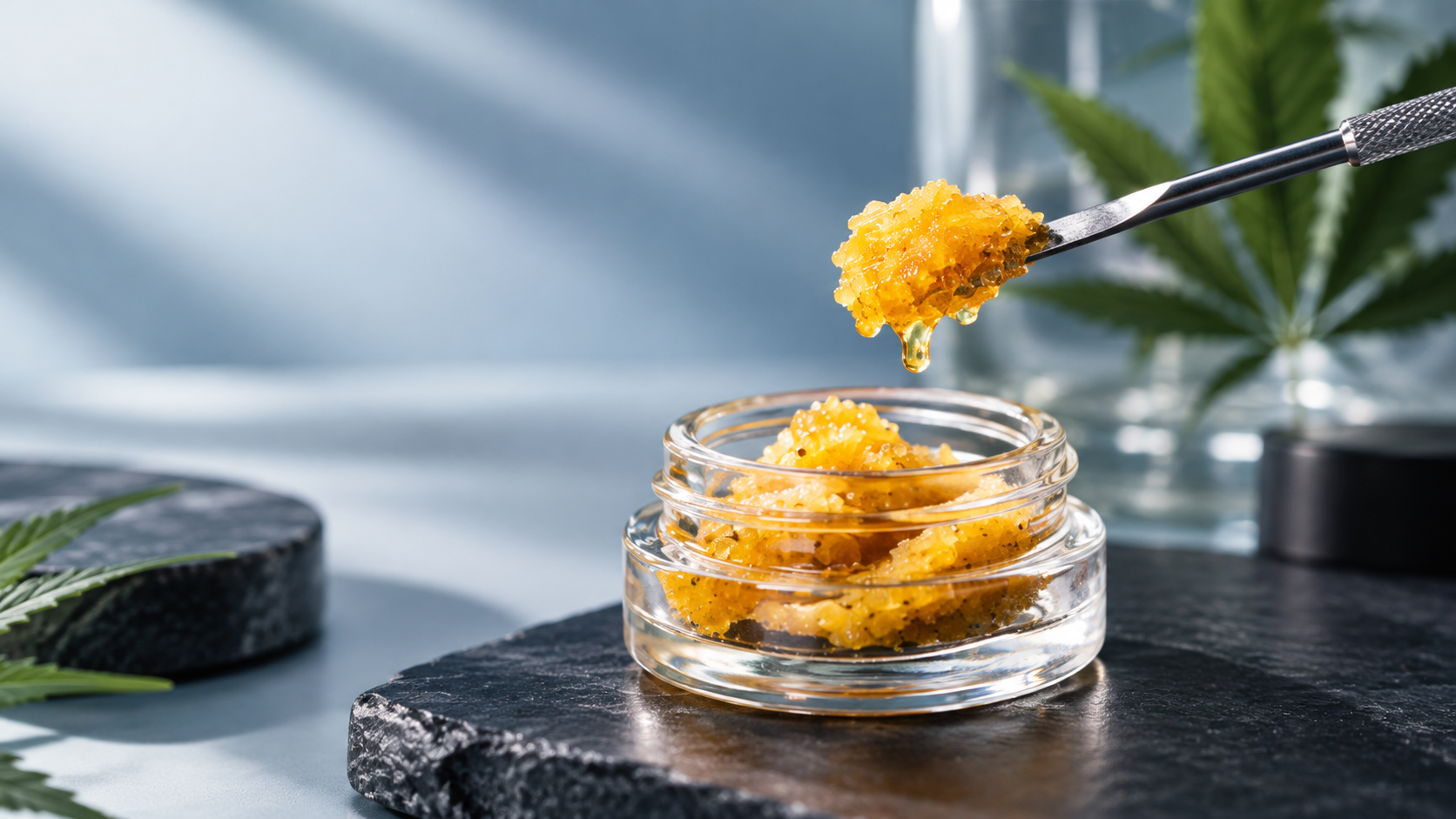
What Is Wax Concentrate?
Wax concentrate is a type of cannabis concentrate typically recognized by its soft, opaque, wax-like appearance. Depending on its composition and processing, it may look creamy, sticky, fluffy, or slightly crumbly. Its consistency can range from a thick paste to a texture that breaks apart more easily. The term wax primarily describes a concentrate’s appearance and texture rather than a single, precisely defined chemical composition. Two products labeled as wax may look different and contain different proportions of cannabinoids, terpenes, and other compounds.
Cannabis concentrates are often discussed in terms of cannabinoids and terpenes. Cannabinoids are compounds found in cannabis, including tetrahydrocannabinol (THC) and cannabidiol (CBD). Terpenes are aromatic compounds found in many plants, including cannabis. The levels of these compounds vary between products and depend on factors such as the starting material and processing methods. It’s also important to distinguish a concentrate’s appearance from its chemical composition. Light-colored wax isn’t necessarily more potent or purer than darker wax. Texture alone cannot determine product quality. Reliable product information, including relevant laboratory test results when available, provides more useful information than appearance alone.
Wax vs. Shatter vs. Budder: What’s the Difference?
- Wax, shatter, and budder are common terms used to describe cannabis concentrates with different physical textures. Although these names may sound like separate product categories, their meanings can sometimes overlap, and manufacturers don’t always use them consistently. Wax generally refers to a soft, opaque concentrate with a wax-like consistency. Depending on the product, it may be sticky, creamy, or crumbly.
- Shatter is typically described as a hard, glass-like concentrate that can break into pieces. Its appearance and texture differ from the softer consistency usually associated with wax.
- Budder generally refers to a soft, creamy concentrate with a consistency similar to butter. The term describes its texture rather than guaranteeing a specific cannabinoid or terpene profile.
These descriptions help explain common terminology, but they shouldn’t be treated as universal technical standards. A product’s texture can vary depending on its composition, processing history, and storage conditions. Most importantly, appearance doesn’t tell the whole story. Wax and shatter may differ in consistency without necessarily having predictable differences in potency or overall composition. To learn more about a specific product, check its label and any available laboratory analysis rather than relying on its name alone.
Frequently Asked Questions About Wax Concentrates
No. Wax generally refers to a soft, opaque concentrate, while shatter typically describes a harder, glass-like concentrate. Both terms are used for cannabis concentrates, but their appearance and texture differ. These terms alone don’t establish a product’s potency or overall quality.
Not exactly. Wax primarily describes texture, while live resin refers to a type of concentrate associated with its starting material and production process. The terms describe different characteristics, so they shouldn’t automatically be treated as competing categories.
No. Wax generally describes physical texture, while rosin refers to a concentrate made using heat and pressure. The terms therefore describe different aspects of a product. Texture alone doesn’t establish how a concentrate was produced.
Color alone isn’t a reliable way to determine quality, purity, or potency. Concentrates can vary in appearance for several reasons, and products that look similar may have different compositions. Product labels and reliable laboratory information, when available, provide more useful details than color alone.
No. The term wax doesn’t specify an exact cannabinoid profile, terpene content, or production method. Product composition can vary, so it’s important to review the information provided for each specific product.
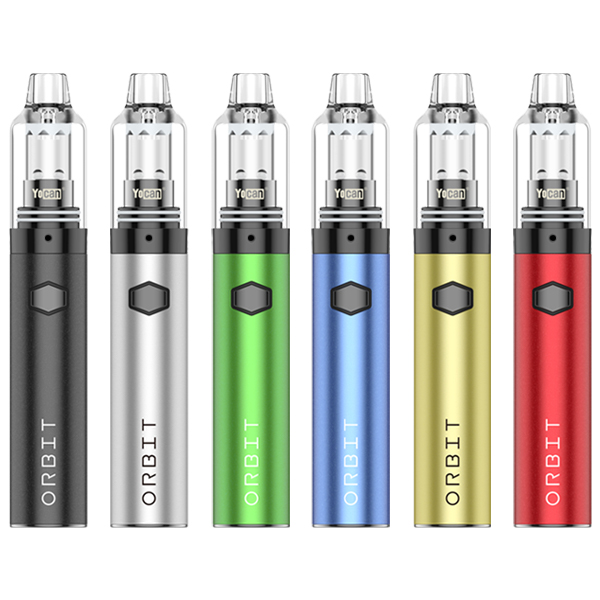
Yocan Orbit 2.0: Compact Design and Detailed Specifications
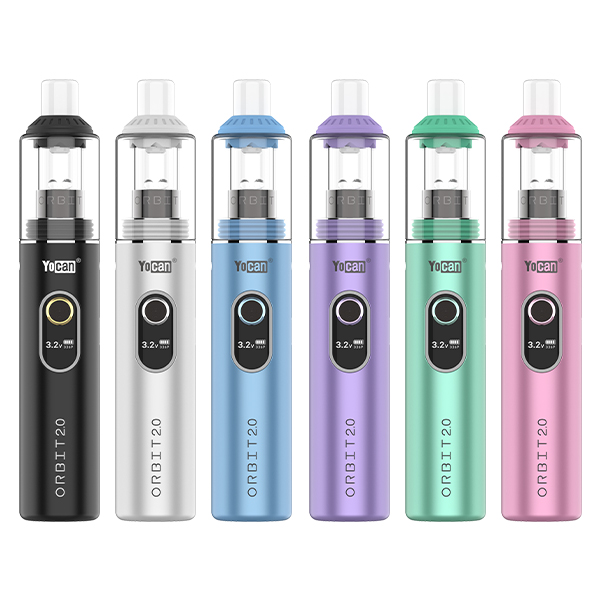
Designed with attention to its individual components, the Yocan Orbit 2.0 features a quartz cup, a glass cover, and a ceramic mouthpiece in a compact vaporizer design. Rather than treating these components as interchangeable parts, it’s useful to understand the role each plays in the device’s overall construction. The quartz cup is a distinct component, while the glass cover and ceramic mouthpiece form part of the device’s assembly. The package also includes a pick tool, a Q-tip, and 12 additional terp balls, along with the accessories needed to charge the device. Refer to the official product documentation for the complete list of included components and instructions for use.
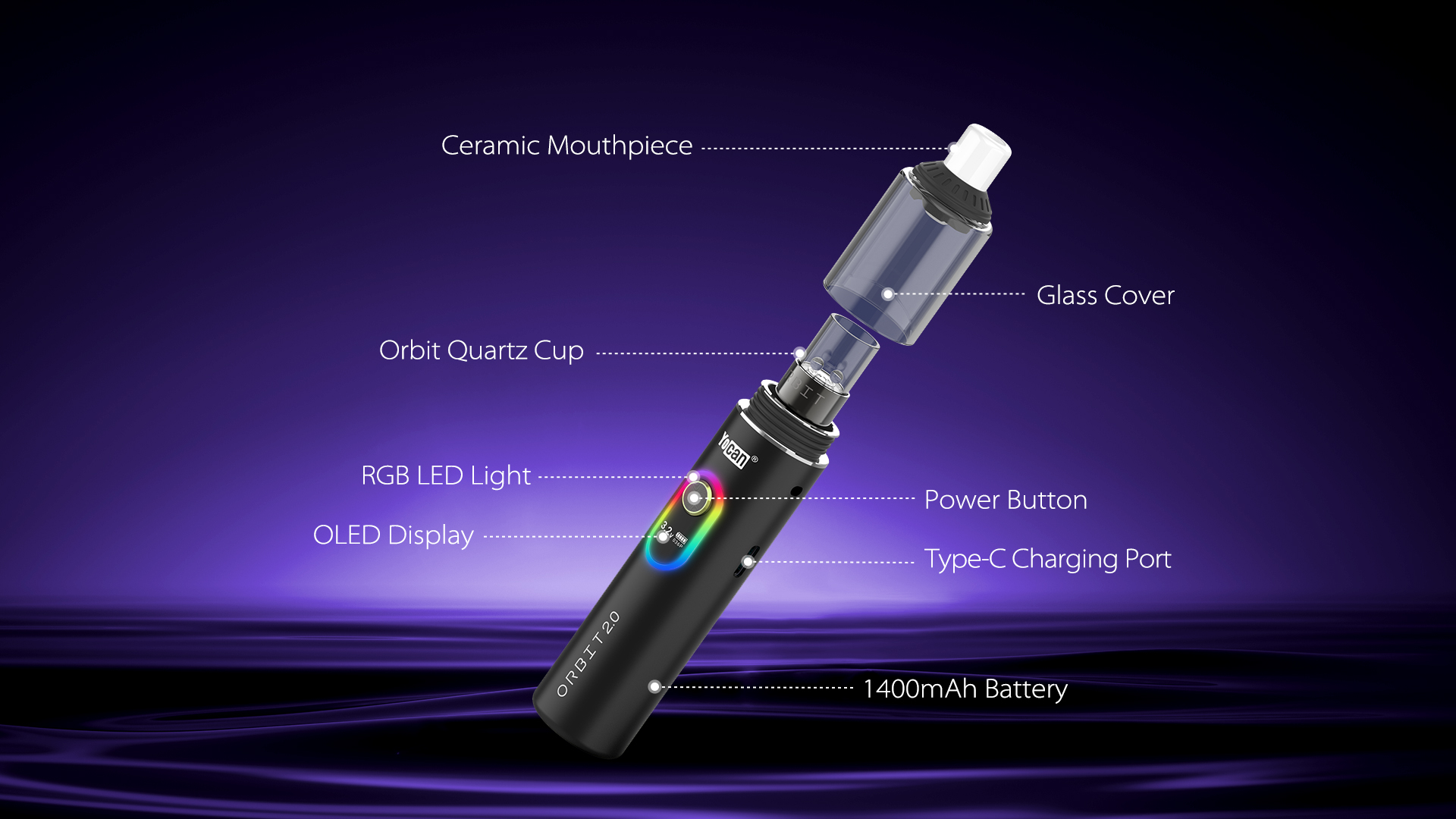
According to the official instruction manual, the Yocan Orbit 2.0 has the following specifications:
- Coil resistance: 0.4Ω
- Voltage range: 2.8V–3.8V
- Preheat setting: 2.8V for 10 seconds
- Safety cutoff: 15 seconds
- Battery capacity: 1,400mAh
- Charging interface: USB Type-C
- Charging input: 5V/1A
- Approximate charging time: 2 hours
These specifications provide an overview of the device’s listed electrical and charging characteristics. Actual charging time may vary depending on the power source and other conditions.
Display and Protection Features
The Orbit 2.0 includes an OLED display and RGB LED lighting. The display provides device information, including battery status and protection warnings, while the LED lighting offers additional visual indicators. The instruction manual also documents automatic shutoff, overcharge protection, and protection messages associated with high temperatures, short circuits, and atomizer connection issues. For the full list of warnings and operating limitations, consult the official instruction manual.
For complete product information, specifications, and safety instructions, refer to the official Yocan Orbit 2.0 documentation.
Final Thoughts
Wax is a common term for cannabis concentrates with a soft, wax-like consistency, but it doesn’t refer to one uniform product. Wax, shatter, and budder are generally distinguished by their textures, while live resin and rosin describe other aspects of a concentrate’s starting material or production method. Understanding these terms helps clarify product descriptions and reduces confusion between appearance, composition, and production processes. When evaluating a specific product, refer to its label and available laboratory information rather than relying solely on its name, color, or texture.
If you’re researching concentrate-related devices, the Yocan Orbit 2.0 is one product to learn more about. Visit the official Yocan website for additional product information and consult the instruction manual for its specifications and safety guidance.