

 Sample
 Yocan® U.S.A. Official Store
 Yocan® Canada Official Store
 Yocan Black® Official Store
Industry News, News
Magnetic vs Threaded Pod Connections: Which One Should You Choose?
If you have used more than one vape device, you have probably noticed a small but telling difference: some cartridges snap into place with a satisfying click, while others require you to twist them in. This is not a random design choice. Magnetic and threaded connections represent two fundamentally different engineering philosophies, and each one carries its own set of advantages and trade-offs. Understanding how they work—and where each one falls short—will help you pick the right device for the way you actually vape.
Magnetic Connections: Convenient, but Limited in Compatibility
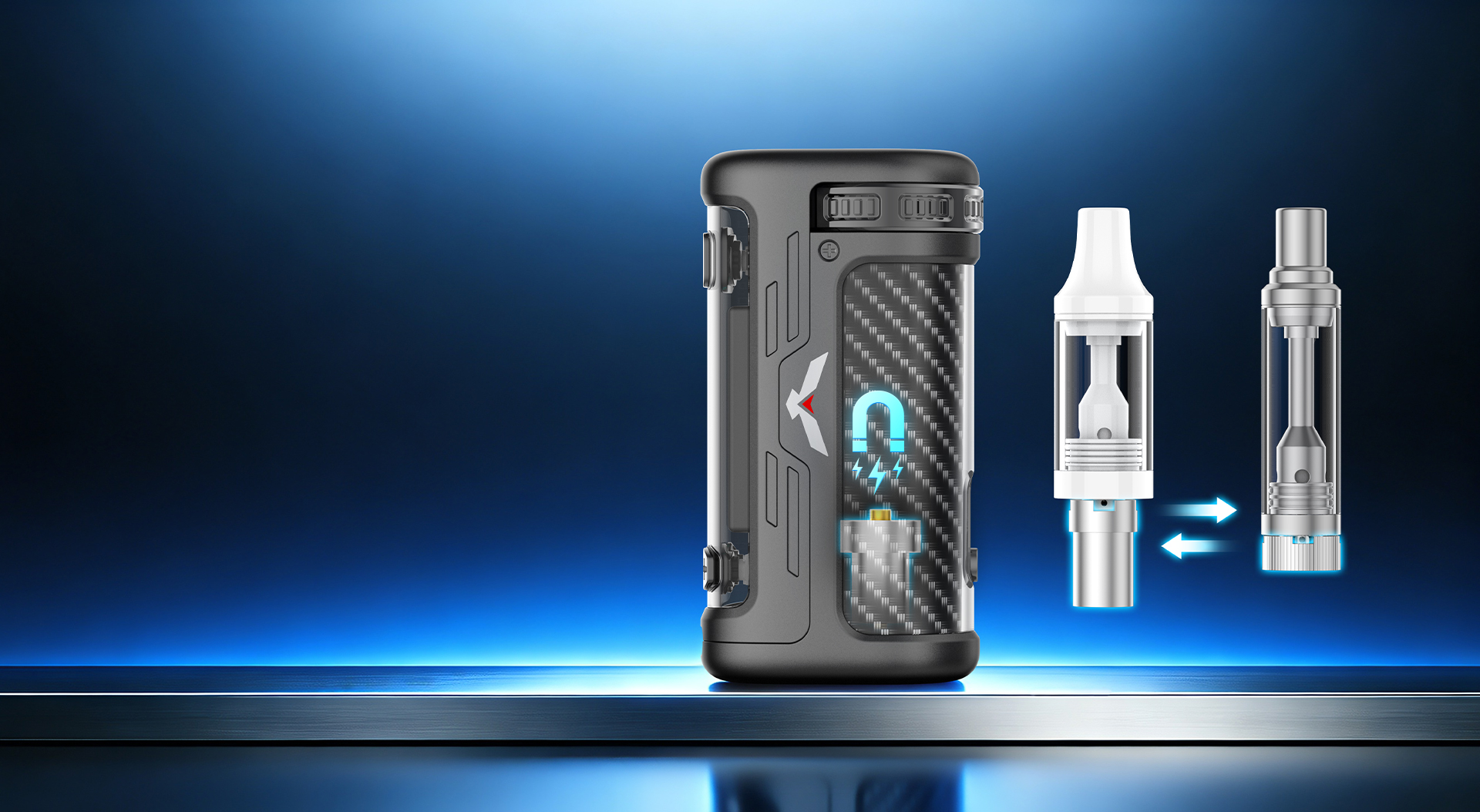
The principle behind a magnetic connection is straightforward. Magnets are embedded in the base of the cartridge and in the cavity of the battery. When the cartridge gets close, it snaps into place, and spring-loaded pins complete the electrical contact. That “it just slides in and sticks” feeling is exactly what this design delivers. The most obvious advantage is blind operation. There is no thread to align and no wrong orientation. You can swap a pod in the dark without fumbling. For the majority of users who treat their device as an everyday companion, this convenience ranks very high.

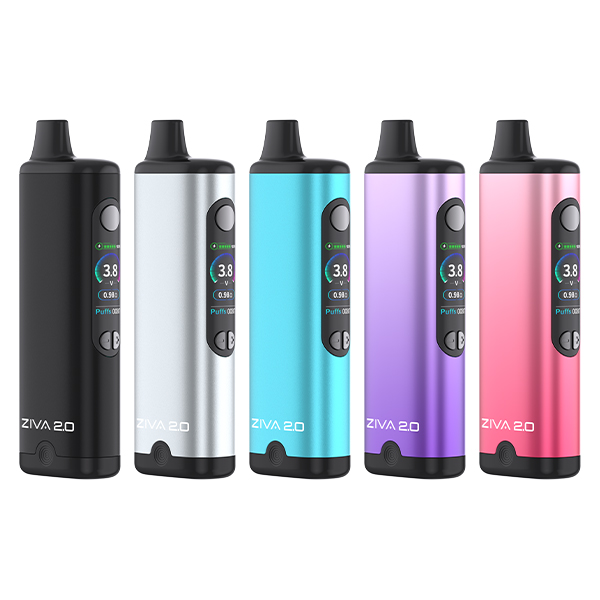
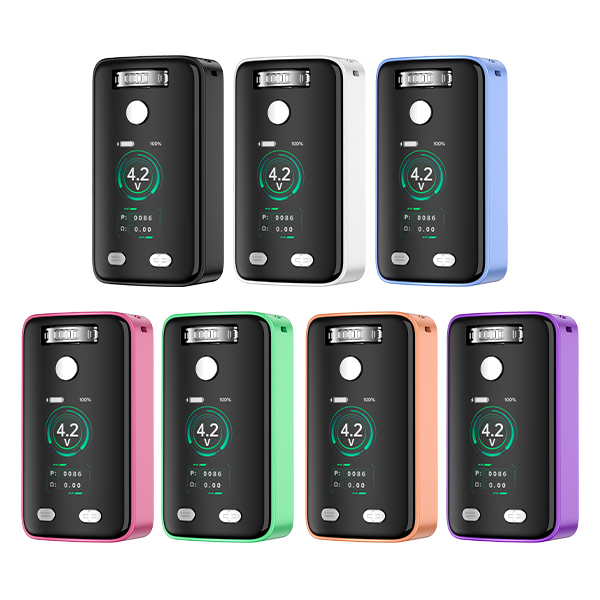
However, pure magnetic connections have inherent limitations—such as slight wiggling and potential contact issues if dropped. A brilliant example of solving this is the Yocan ZIVA 2.0. While it features a sleek magnetic top cover for a seamless look, the actual cartridge connection is securely threaded. As shown in its manual, it utilizes this threaded base to firmly lock in 1G and 2G cartridges. This hybrid approach gives you the best of both worlds: the rigid, wobble-free security of a threaded connection, combined with the clean aesthetics and effortless snap-on convenience of a magnetic cover. Paired with its 1.26-inch Color TFT display and precise voltage control (1.8V-4.2V), you get a device that is both highly secure and incredibly easy to use. First-time users often wonder if a pod is seated properly because a purely magnetic one wiggles a little. In reality, this clearance is sometimes intentional to keep airflow unobstructed. But with a threaded connection like the ZIVA 2.0, that play is eliminated entirely—you simply screw it in, and it stays put.
The real limitation of pure magnetic systems remains compatibility. Magnet positions and contact layouts must match precisely. A magnetic pod from one brand is unlikely to fit another brand’s battery. To some extent, this locks users into a single ecosystem—a trade-off you accept for the sake of convenience.
Threaded Connections: Secure, but Fiddly
Threading is the more classical approach. The cartridge carries an external thread, the battery has an internal thread, and tightening it secures the connection. The threaded engagement provides a firm attachment, and the cartridge will not work itself loose under external force or a drop.
That sense of security is something a magnetic connection cannot offer. The certainty of tightening it all the way down is reassuring. High-power devices and DIY atomizers still overwhelmingly rely on the 510 thread standard for exactly this reason. Those users prioritize rigidity and cross-brand compatibility, with convenience a distant second. The trouble is right there as well. Swapping a pod becomes a sequence of align, screw in, and tighten. When your hands are oily or the lighting is poor, the experience degrades quickly. Another easily overlooked issue is wear. Repeatedly screwing a cartridge in and out gradually wears down the threads, and over time you may find it harder to tighten fully or notice a gritty feel.
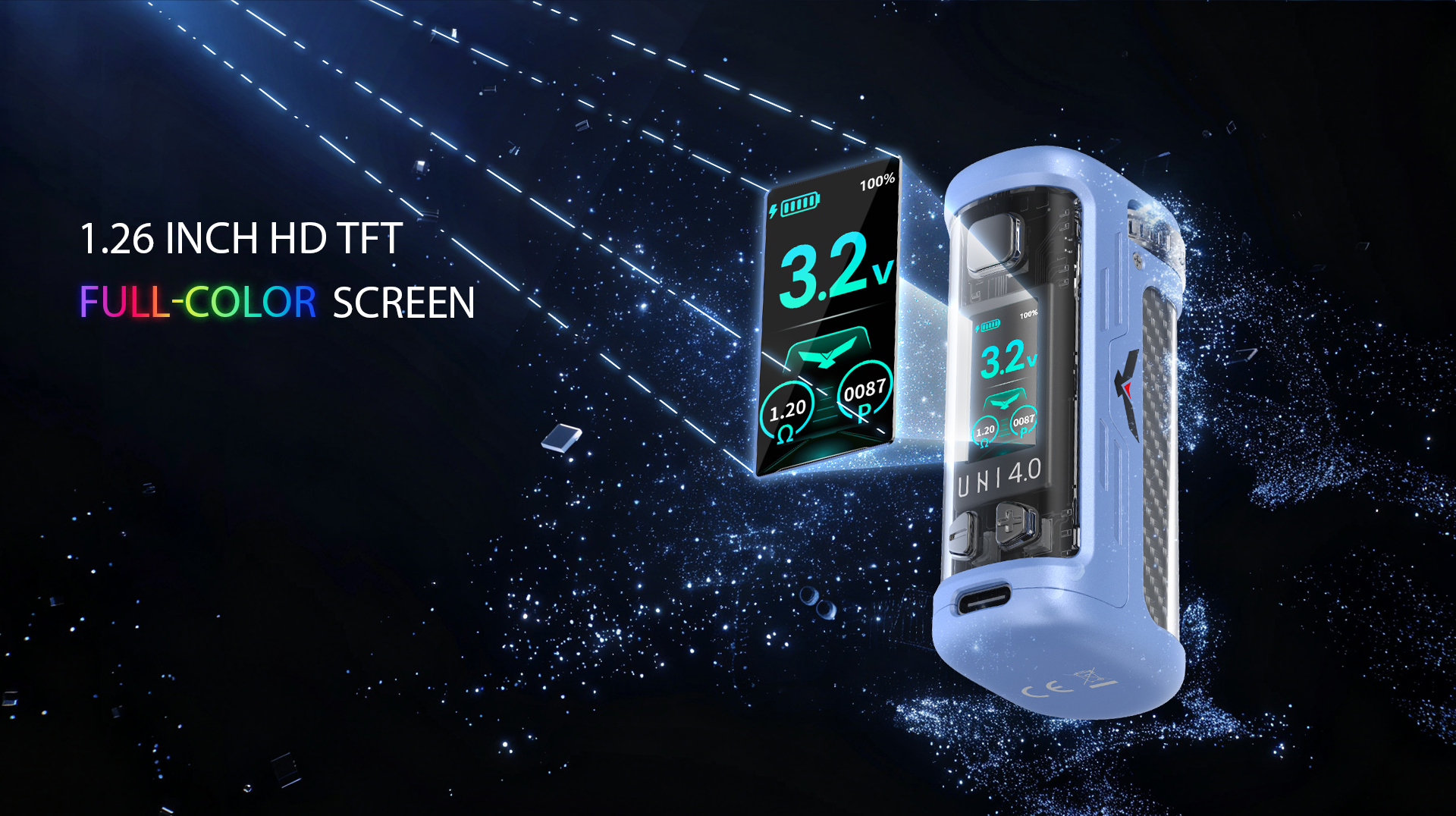
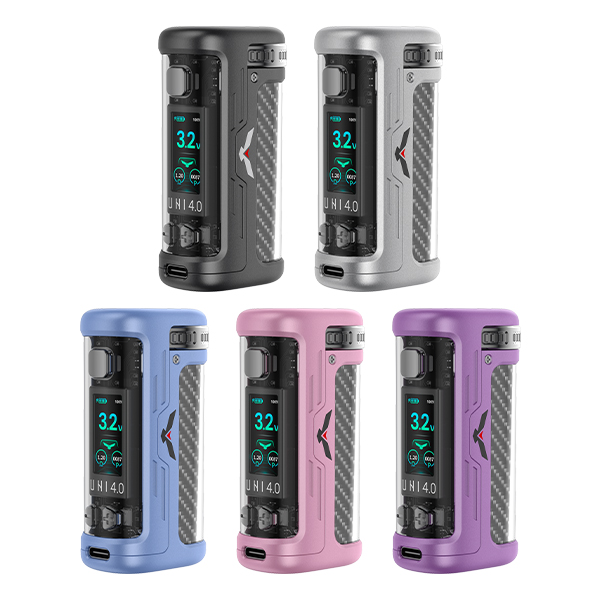
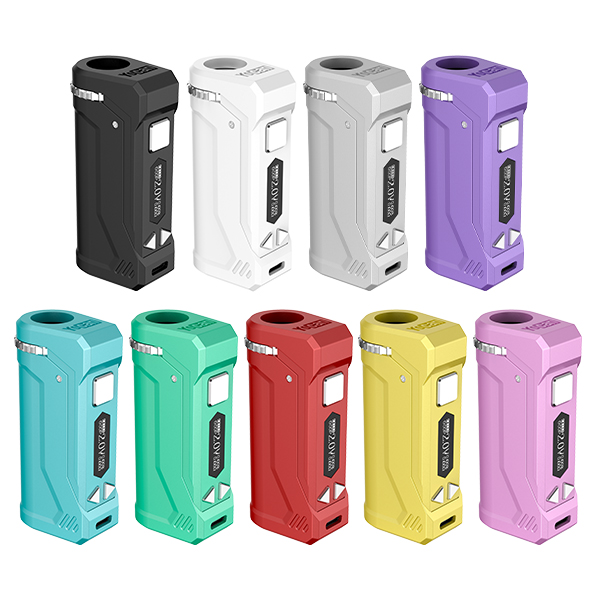
This is why devices like the Yocan UNI 4.0 are so interesting from an engineering standpoint. According to its manual, it accommodates cartridges up to 14mm in diameter. It utilizes a threaded adapter system to secure the cartridge, providing that rigid, locked-in feel. Yet, it also includes a “Carts Connected” indicator on its display and a “Preheating” function. It proves that threaded systems can still offer modern smart features, even if they require a bit more effort to load.
How the Two Connections Differ in Real-World Use
Putting both side by side, the differences show up in a handful of concrete scenarios.
- Swap speed: Magnetic is clearly faster. It can be done one-handed, while threading requires two hands to align the cartridge. For anyone swapping frequently throughout the day, this gap compounds.
- Play and security: Magnetic connections have slight clearance; threaded connections have almost none once tightened. If your device gets tossed around in a bag or dropped regularly, the certainty of a threaded connection is more reassuring.
- Blind operation: Magnetic pods have no orientation, so you can swap them in the dark. Threaded pods require aligning the threads, and poor lighting makes it easy to cross-thread.
- Long-term wear: With magnetic connections, wear falls mainly on the pins and contacts. With threaded connections, it falls on the threads themselves. Both accumulate over time, but they manifest differently.
- Compatibility: Magnetic connections are constrained by magnet placement and contact layout, effectively tying you to one brand’s ecosystem. Threaded connections offer far better cross-brand compatibility.
Interestingly, some manufacturers now offer adapter solutions—the battery itself is magnetic, and a threaded adapter piece lets it accept threaded atomizers. The very existence of this compromise shows that neither connection type can fully replace the other.
So Which One Should You Choose?
There is no universal answer. It comes down to which kind of hassle you would rather avoid.
Choose the Yocan ZIVA 2.0 if you want the best of both worlds. It gives you the rigid, wobble-free security of a threaded base, combined with the effortless, sleek convenience of a magnetic top cover. If you prioritize a user-friendly daily experience without sacrificing connection stability, and you love advanced features like its 1.26-inch Color TFT display, this is the perfect match for you.
Choose the Yocan UNI 4.0 if you need universal compatibility and a hardcore, locked-in feel. It accommodates cartridges up to 14mm in diameter and utilizes a secure threaded adapter system. If your device gets tossed around in a bag, you swap between various cartridge sizes, or you value precise control with features like a puff counter and 15-second safety cut-off, the UNI 4.0 is built to handle it.
To put it simply: pure magnetic systems win on pure convenience, while traditional threaded systems win on sheer security. The Yocan ZIVA 2.0 beautifully bridges the gap between the two, while the Yocan UNI 4.0 masters the rigid threaded standard. Once you decide whether you would rather deal with “fiddling with threads” or “the pod working itself loose,” the answer becomes clear.