

 Sample
 Yocan® U.S.A. Official Store
 Yocan® Canada Official Store
 Yocan Black® Official Store
Industry News, News
What Is a Dab Pen Made Of? Understanding Its Main Components
A dab pen may look like a simple portable device, but it actually relies on multiple components working together to form its heating and vaporization system. From the battery that provides power to the heating chamber that generates heat, each component plays a specific role in the overall design.
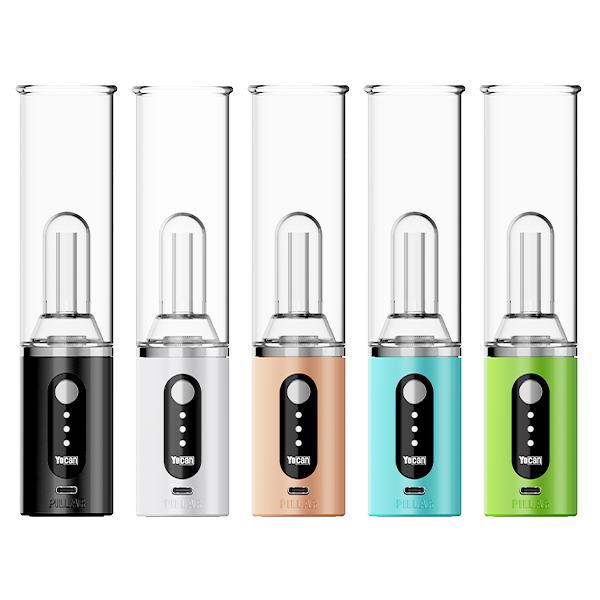
So, what is a dab pen made of? While designs vary between models, most dab pens include several core components: a battery, heating chamber, airpath, mouthpiece, and control system.
Understanding these components can help you compare different dab pen designs and better understand how modern devices are constructed.
Battery
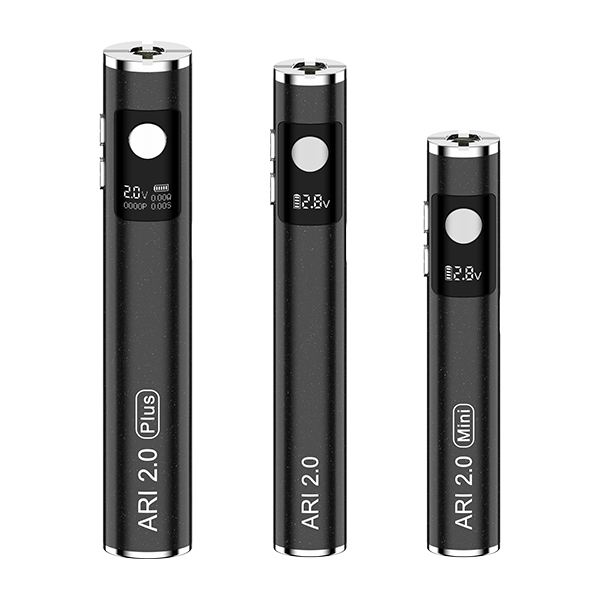
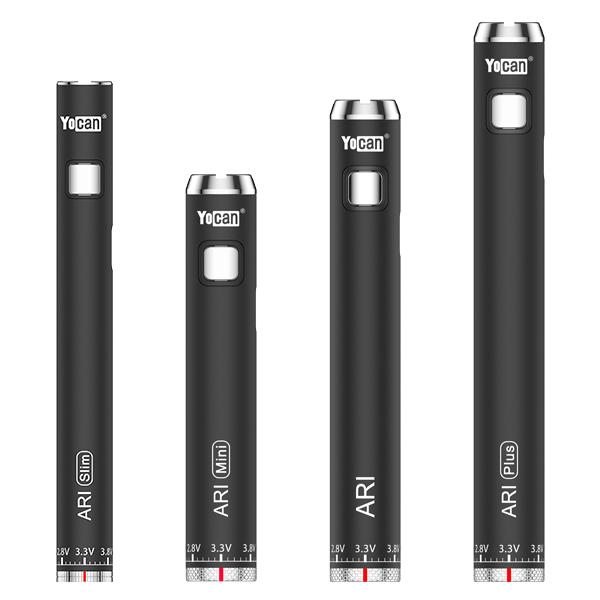
The battery is the power source of a dab pen. It provides the electrical energy needed to operate the heating system and other electronic components.
Most modern dab pens use rechargeable lithium-ion batteries because they offer a good balance between capacity, size, and weight. Battery capacity is typically measured in milliamp-hours (mAh), which indicates the amount of electrical charge a battery can store. However, a larger battery capacity does not necessarily mean a better device. Increasing battery capacity can also increase the size and weight of a portable device. Manufacturers therefore need to find a balance between battery capacity, portability, and overall device design.
Some dab pens also feature USB charging and battery indicators, making it easier for users to monitor the device’s power level.
Heating Chamber
The heating chamber is one of the most important components of a dab pen. It is the area where concentrate is heated to produce vapor.
Heating chambers can use different materials and designs. Ceramic is widely used because it can provide even heat distribution and is well suited to compact heating systems. Depending on the heating technology used, other designs may incorporate materials such as quartz or metal. The shape and size of the heating chamber can also affect the overall design of a dab pen. For example, a deeper or larger chamber may require a different internal structure than a compact chamber.
Because the heating chamber is directly involved in the heating process, its material, construction, and heating method are all key elements of a dab pen’s overall design.
Airpath
The airpath is the passage through which vapor travels from the heating chamber to the mouthpiece.
Although it may be less noticeable than the battery or heating chamber, the airpath plays an important role in the internal design of a dab pen. When designing a compact device, manufacturers need to consider the length, shape, and materials used in the airpath. A well-designed airpath needs to fit within the limited space of a portable device while providing an efficient path for airflow.
Some modern dab pens use removable or specially designed airpath components, which can also make routine maintenance easier.
Mouthpiece
The mouthpiece is the component that connects the device’s internal vapor path to the user. Mouthpieces can vary in shape, size, and material. Some are integrated directly into the device, while others can be removed or replaced.
The mouthpiece also needs to work together with the airpath and the overall structure of the device. Its design can affect the size and appearance of the finished product while providing a comfortable connection to the vapor path.
For portable dab pens, the mouthpiece is generally designed to remain compact without making the device difficult to use or carry.
Outer Housing
The outer housing protects the internal components and determines the overall shape and appearance of a dab pen. Depending on the design, manufacturers may use materials such as aluminum alloy, stainless steel, plastic, or other engineered materials. The housing needs to be durable enough for everyday portability while providing sufficient internal space for the battery, heating system, airpath, and electronic components.
This is also where industrial design plays an important role. A compact dab pen needs to integrate multiple components into a relatively small body without making the device unnecessarily bulky.
Yocan Pocket Mini: Redefining Portable Concentrate Vaporization
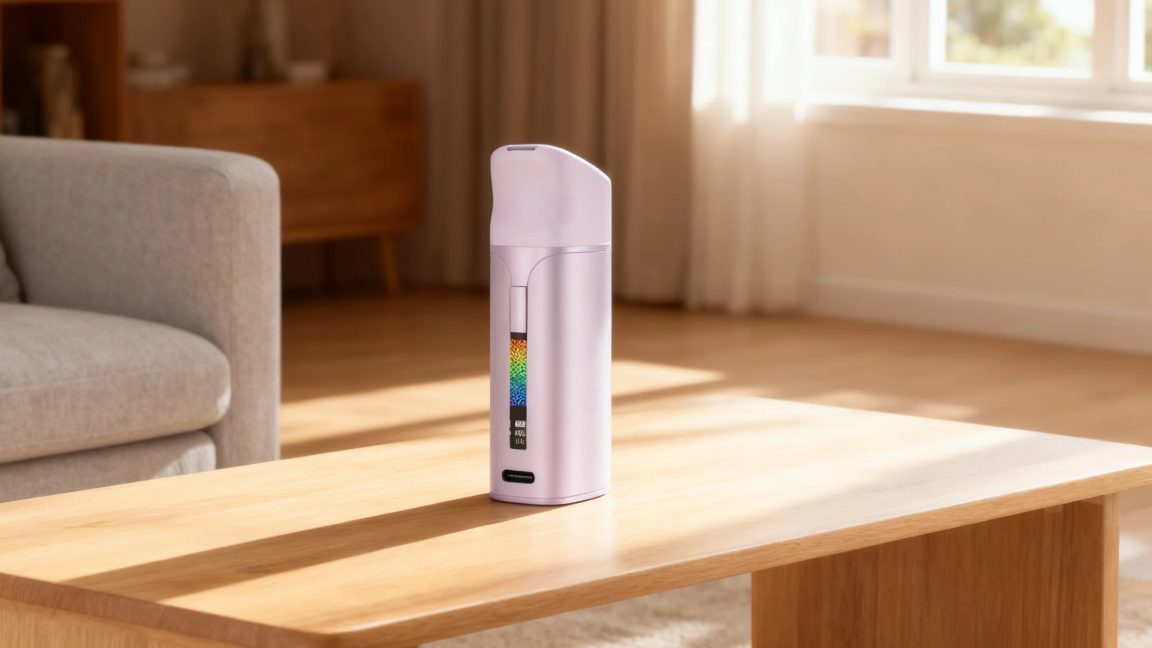
If you’re looking for a device that combines performance and portability, the Yocan Pocket Mini is worth exploring. It features a 1300mAh battery and a Cloud 2.1 heating chamber, delivering a capable vaporization system in a compact body. Its OLED display provides a clear view of battery level, temperature, and operating status, while its adjustable temperature range of 400–580°F gives users greater control over their experience with different concentrates.
The removable ceramic airpath makes both operation and cleaning more convenient. The Pocket Mini also features 10-second preheating, a 15–60-second session timer, and vibration alerts for intuitive operation. With a USB Type-C charging port and a charging time of approximately 1.5 hours, the Pocket Mini is designed for convenient everyday portability. Whether you’re exploring a compact concentrate vaporizer for the first time or looking to upgrade your current device, the Yocan Pocket Mini brings multiple modern features into a portable design.
Final Thoughts
So, what is a dab pen made of?
While the exact construction varies between models, the main components typically include a battery, heating chamber, airpath, mouthpiece, control system, and outer housing. Each component serves a specific purpose, but they are designed to work together within a compact, portable device. As dab pen technology continues to evolve, manufacturers are exploring new heating systems, materials, control interfaces, and compact designs. Understanding these basic components can therefore help you know what to look for when comparing different dab pens.